Overview
Who are Migrant Workers?
A migrant worker is a person who is to be engaged, is engaged or has been engaged in a remunerated activity in a State of which they are not a national[1] (information on internal migrant workers is included in a separate call-out box below). Migrant labour is work undertaken by individuals, families or communities who have moved from abroad. Migrant workers contribute to growth and development in their ‘host’ countries or regions, while countries or regions of origin benefit from the skills these workers gather while away, and from any taxes or remittances sent ‘home’.
Migrant workers often face challenges to and abuse of their human and labour rights in the workplace due to discrimination against them. This can occur in many ways, such as:
- Unfair recruitment practices, such as charging fees, requiring migrants to put up a bond, or giving misleading or incorrect information about a promised job;
- Trafficking or smuggling workers across borders for work, and/or entering the worker into forced labour in the new destination;
- Unequal access to employment rights, remuneration, social security, trade union rights, employment taxes or access to legal proceedings and remediation; and
- Workplace racism or discrimination.
What is the Dilemma?
Migrant workers can make a positive contribution to business performance and productivity by filling skill gaps, increasing access to international knowledge, strengthening contacts in international networks and local networks through new language skills and cultural awareness.
However, migrant labour can also pose a dilemma to businesses as migrant workers — whether in a regular or an irregular situation — can face a range of challenges to their rights, including discrimination from other workers, employers and laws, unfair working conditions and harmful recruitment practices. Migrant workers are particularly at risk of other human rights violations, such as being trapped in forced labour due to abuse of vulnerability, a lack of understanding of their rights and a lack of social capital or power.
Businesses can struggle to ensure that migrant workers in their operations and supply chains have their rights upheld, especially when Governments do not fulfil their duty to protect and their obligations under international human rights instruments (such as the International Convention on the Protection of the Rights of All Migrant Workers and Members of Their Families).
Internal Migrant Workers
While this issue focuses on international migrant workers given their specific vulnerabilities to labour rights abuses, internal migrant workers also face similar challenges in securing adequate working and living conditions.
Exact global figures for the number of internal labour migrants (those who have moved within their country for work) are not known. However, disruptions arising out of the coronavirus pandemic have drawn global attention to their plight — particularly in India, where millions of internal migrants were left economically devastated by state-wide lockdowns in 2020.
Internal migrants remain on the periphery of the COVID-19 recovery process and are disadvantaged when it comes to securing social protections, safe living and working conditions and access to justice. India’s migrant crisis has also put the spotlight on other countries whose economies are dependent on internal migration, such as China, Thailand, Indonesia, Kenya, Uganda, South Africa and Brazil.
Prevalence of Migrant Labour
According to the UN World Migration Report 2024, there have been ‘historic’ changes in migration in the last decade, with increasing numbers of people being displaced, internally and internationally, due to conflict, violence, political or economic stability, climate change and environmental disasters. While many of those displaced are fleeing from harm, many others are migrating due to dire economic conditions. It is estimated that there were more than 281 million international migrants globally in 2024, 245 million of which are working age (aged 15 and over). According to the International Labour Organization (ILO), the number of international migrant workers totalled 169 million in 2021, constituting nearly 5% of the global workforce.
Key drivers contributing to the growing mobility of workers:
- Lack of jobs and decent working conditions;
- The widening income inequalities within and between countries;
- A growing demand for skilled and low-skilled workers in migrant destination countries (often driven by strong growth, ‘shortages’ of domestic labour or rigid societal norms);
- Demographic changes, with countries seeing declining labour forces and aging populations.
Key trends include:
- According to the ILO, women constitute 41.5% and men 58.5% of migrant workers (2021).
- Sector figures show that 66.2% of migrant workers are in services, 26.7% are in industry and 7.1% are in agriculture (2021).
- Of the estimated 169 million international migrant workers, 67.4% are in high-income countries and 19.5% in upper middle-income countries (2021).
- ILO research suggests that the world’s migrant workers are distributed among the major regions as follows: Europe and Central Asia, 37.7%; Americas, 25.6%; Arab States, 14.3%; Asia and the Pacific, 14.2%; and Africa, with only 8.1% (2021).
- The labour force participation rate of migrants at 69% is higher than the labour force participation of non-migrants at 60.4% (2021).
Impacts on Businesses
Businesses can be impacted by migrant labour risks in their operations and supply chains in multiple ways:
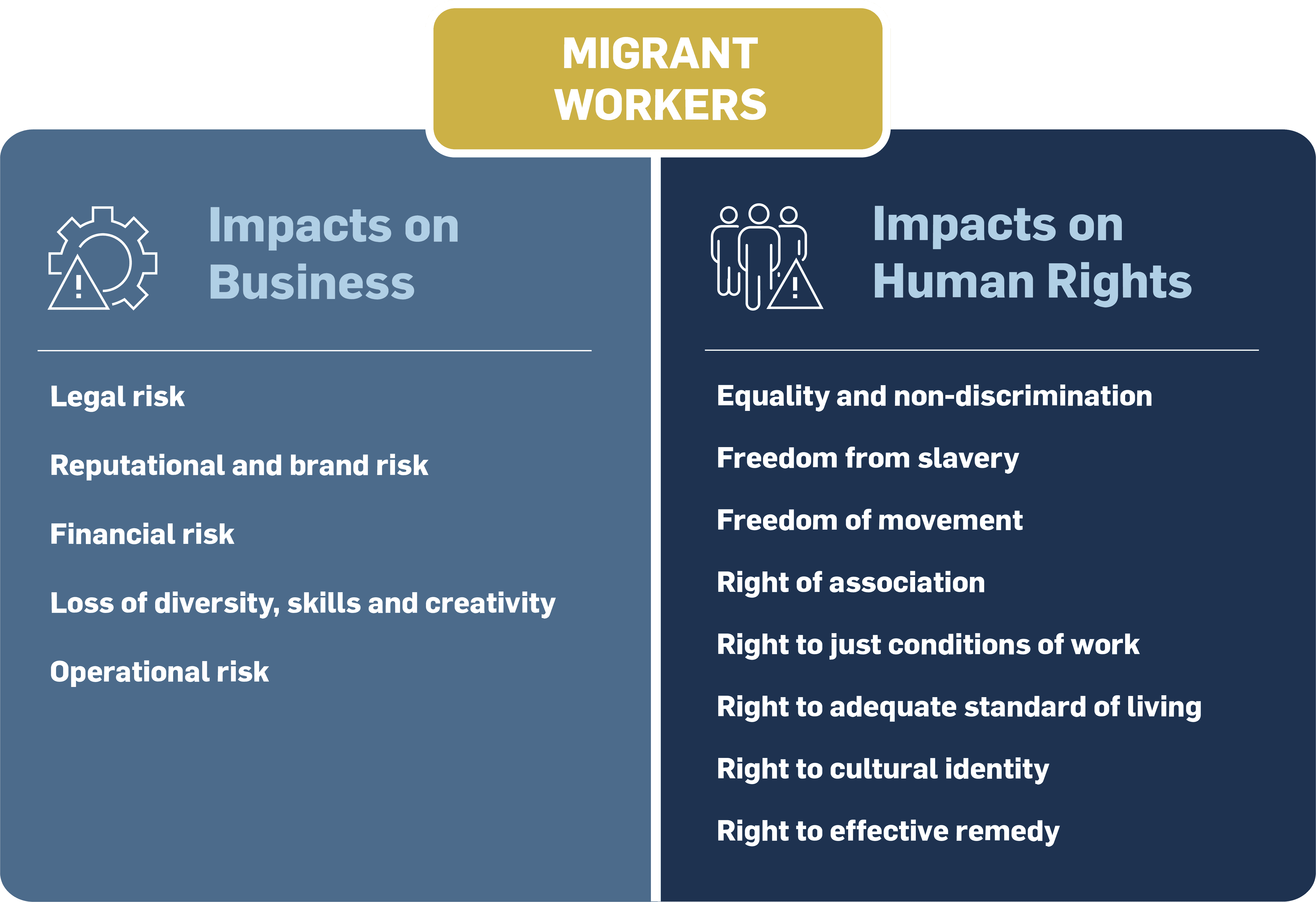
- Legal risk: There is a close link between migrant labour and human rights abuses such as forced labour, modern slavery and child labour, as migrant workers are often in situations of vulnerability. Companies can face legal charges and severe consequences if they are found to have any of the above issues in their operations or supply chains.
- Reputational and brand risk: Campaigns by non-governmental organizations (NGOs), trade unions, consumers and other stakeholders against multinational corporations (MNCs) alleged to abuse migrant workers can result in reduced sales and brand erosion.
- Financial risk: Suppliers and clients may end contracts and relationships with companies that are found to abuse migrant workers’ rights, or be linked to abuse, in their supply chain, resulting in reduced sales. Divestment and/or avoidance by investors and finance providers (many of which are increasingly applying environmental, social and governance (ESG) criteria to their decision-making) can result in reduced or more expensive access to capital and reduced shareholder value.
- Loss of diversity, skills and creativity: Where migrant workers are not treated fairly or with respect, they may leave for other employment and leave behind a skills gap.
- Operational risk: Changes to a company’s supply chains made in response to the discovery of harmful migrant labour conditions may result in disruption. For example, companies may feel the need to terminate supplier contracts (resulting in potentially higher costs and/or disruption) and direct sourcing activities to lower-risk locations.
Impacts on Human Rights
Abuse of migrant workers has the potential to impact a range of human rights,[2] including but not limited to:
- Right to equality of treatment and non-discrimination (ICRMW, Articles 43 and 45, ICCPR, Article 2, ICESCR, Article 2): Migrant workers can be subject to unequal treatment when compared to nationals. This is likely to occur in recruitment processes, their treatment at the workplace as well as in terms of the legal protections that they are afforded in the workplace.
- Right to freedom from slavery and forced labour (UDHR, Article 4, ICRMW, Article 11, ICCPR, Article 8): Migrant workers are at a higher risk of being subject to conditions that may amount to forced labour and/or modern slavery. For example, migrant workers may face the retention of identity documents, debt bondage and restriction of movement, which are some of the indicators of forced labour.
- Right to freedom of movement (ICRMW, Article 39, UDHR, Article 13): The freedom of movement of migrant workers can be severely restricted through, for example, the confiscation of passports or other travel documents.
- Right of migrants to form, join and participate in associations and trade unions (ICRMW, Article 26 and 40; ICCPR, Article 22; ICESCR, Article 8): In many situations, migrants may — due to their legal status, the legal frameworks in which they operate in or their relatively weak negotiating position — be denied the right to freedom of association. ICCPR and ICESCR specify that all workers (including migrant workers in a regular situation) have the right to form and join trade unions for the protection of their interests. In addition, Article 26 of the ICRMW affords migrant workers in both regular and irregular situations the right to join and participate in the activities of associations and trade unions.
- Right to just and favourable conditions of work (ICRMW, Article 25; ICESCR, Article 7): Many migrants experience lower pay and poorer working conditions than their domestic counterparts. This can be due to discrimination, prevailing legal frameworks, the legal status of migrant workers and market dynamics.
- Right to an adequate standard of living (including access to adequate food, clothing, housing and water) (ICRMW, Article 43; ICESCR, Article 11): Companies that provide housing to migrant workers can directly infringe on this right if the housing is not of an adequate standard.
- Rights to cultural identity (ICRMW, Article 31, ICCPR, Article 27): Migrants have the right to enjoy their own culture, practice their own religion, and to speak their own language without discrimination. Due to their status, migrant workers may be denied this right as a matter of official policy or through societal discrimination.
- Right to an effective remedy for acts violating fundamental rights (ICRMW, Article 83, ICCPR, Article 3): A lack of accessible operational-level grievance mechanisms may hinder migrant workers from accessing remedies for human and labour rights abuses. This is particularly the case where the legal framework and culture in a country prevent migrants from seeking adequate access to remedy.
Key Resources
The following resources provide further information on how businesses can address violations of migrant workers’ rights in their operations and supply chains:
- ILO, Fair Recruitment Toolkit: A modular training manual on fair recruitment to support in the design and implementation of fair recruitment practices.
- Institute for Human Rights and Business, Migration with Dignity: A Guide to Implementing the Dhaka Principles: A practical guide to implementing the Dhaka Principles of fair and equal labour for migrants. The Dhaka Principles provide a roadmap that traces the migrant worker from recruitment, through employment, to the end of contract and provides key principles that employers and migrant recruiters should respect at each stage in the process to ensure migration with dignity.
- BSR, Migrant Worker Management Toolkit: A Global Framework: A toolkit for respecting the rights of migrant workers throughout businesses and global supply chains.
Definition & Legal Instruments
Definition
According to ILO Migration for Employment Convention (Revised), 1949 (No. 97), the term “migrant for employment” (or, more commonly, “migrant worker”) means a person who “migrates from one country to another with a view to being employed otherwise than on his [or her] own account”. The UN Convention for the Protection of the Rights of Migrant Workers and their Families includes a similar definition. Migrant labour is the work undertaken by someone considered a migrant.
Legal instruments
ILO and UN Conventions
Two main ILO conventions comprehensively define the rights of migrant workers and advocate the principles of equal treatment, equality of opportunity and non-discrimination:
- ILO Migration for Employment Convention (Revised), No. 97 (1949): The convention lays out how ratifying States must treat migrant workers and how to provide equal opportunities through law. It includes provisions to facilitate international migration for employment by establishing and maintaining a free assistance and information service and taking measures against misleading propaganda relating to emigration and immigration; provisions on appropriate medical services for migrant workers and the transfer of earnings and savings; and the requirement that States have to apply treatment no less favourable than that which applies to their own nationals in respect of a number of matters, including conditions of employment, freedom of association and social security.
- ILO Migrant Workers (Supplementary Provisions) Convention, No. 143 (1975): The convention focuses on how to prevent abusive conditions in migration and ensure the protection of the rights of migrant workers. It sets out measures to combat clandestine and illegal migration, while at the same time establishing the general obligation to respect the fundamental rights of all migrant workers. It also includes provisions on migrant workers’ cultural rights and individual and collective freedoms and the right of family reunification of the families of migrant workers legally residing in their territory.
The International Convention on the Protection of the Rights of All Migrant Workers and Members of their Families (ICRMW) builds upon and expands the ILO Conventions. It applies to all aspects of the life of migrant workers and members of their families, including the situation of women and children. The ICRMW articulates the principle of equal treatment between migrant workers and nationals with respect to remuneration and other working conditions, calling for equality of treatment regarding migrant workers’ and members of their families’ access to housing, social and health services, and educational institutions among others.
Over 50 countries have ratified ILO Convention No. 97, and nearly 30 have ratified ILO Convention No. 143. The ICRMW has also been ratified only by a small number of countries. The implementation and enforcement of national legislation — and therefore the frequency of violations of migrant workers’ rights — may vary significantly from country to country even if all the core conventions related to migrant workers have been ratified.
Other Legal Instruments
The UN Guiding Principles on Business and Human Rights (UNGPs) set the global standard regarding the responsibility of business to respect human rights in their operations and across their value chains. The Guiding Principles call upon States to consider a smart mix of measures — national and international, mandatory and voluntary — to foster business respect for human rights.
Regional and Domestic Instruments
Regional migrant worker instruments such as the European Social Charter and the European Convention on the Legal Status of Migrant Workers provide protection of social rights for migrant workers. The European Social Charter is a Council of Europe treaty that guarantees fundamental social and economic rights, with a specific emphasis on the protection of vulnerable persons, including migrants, whose social and economic rights must be guaranteed without discrimination. The European Convention on the Legal Status of Migrant Workers clarifies principal aspects of the legal situation of migrant workers, in particular recruitment, work permits, working conditions and dismissal among others.
Companies are increasingly subject to non-financial reporting requirements and due diligence obligations in the jurisdictions in which they operate, which often include disclosures on their performance. There are several high-profile examples of national legislation that specifically mandate human rights-related reporting and other positive legal duties, such as due diligence, including the United Kingdom Modern Slavery Act 2015, Australian Modern Slavery Act 2018, the California Transparency in Supply Chains Act 2010, the French Corporate Duty of Vigilance Law 2017, the German Act on Corporate Due Diligence Obligations in Supply Chains 2023 and the Norwegian Transparency Act 2022.
The EU Corporate Sustainability Due Diligence Directive (CSDDD) entered into force in July 2024 and was amended in February 2026. The Directive introduces mandatory human rights and environmental due diligence requirements for large companies operating in or doing business within the EU, and applies across companies' operations, supply chains and certain downstream business activities. EU Member States must transpose the Directive into national law by July 2028. In-scope companies must have their due diligence systems in place and operational by July 2029.
These mandatory due diligence and disclosure laws require companies to publicly communicate their efforts to address actual and potential human rights impacts, including migrant labour abuses. Failure to comply with these obligations leads to real legal risk for companies.
In 2026, the electronics appliance manufacturer Dyson agreed to settle a lawsuit filed by 24 migrant workers who alleged they were subjected to forced and abusive treatment in a Dyson factory in Malaysia. This case is significant as it established a precent that allegations against foreign companies supplying British manufacturers can be judged in English courts.
Contextual Risk Factors
The prevention of migrant worker abuse requires an understanding of its underlying causes and the consideration of a wide range of issues.
Key risk factors include:
- High levels of migration, particularly of low-skilled and low-paid labour, exacerbates the likelihood of labour rights violations as employers know many migrant workers will be vulnerable or desperate for work. Migrants make up a much larger proportion of those subject to forced labour in specific sectors and locations. Migrants who have their legal employment status tied to their employer under sponsorship visa programmes may be unwilling to report labour rights violations or may be unable to leave or return home without the explicit permission of the sponsor.
- The use of recruitment agencies and other labour intermediaries raises the risk of migrant workers facing labour rights abuses. Fraudulent recruitment practices may involve agencies, but also other types of formal and informal intermediaries, who exploit migrant workers’ vulnerability and impose excessive fees as part of the recruitment process. Such opaque practices often leave migrant workers in substantial debt leading to conditions amounting to forced labour or debt bondage. Furthermore, excessive or arbitrary wage deductions throughout the period of employment can create further debt for migrant workers.
- Inadequate legal and policy framework which fails to promote equality of treatment between migrant workers and nationals. The poor protections afforded to migrant workers offer them a low standard of legal protections against forced labour and other labour rights abuses. Labour legislation and workplace cultures in some countries, particularly in Gulf states that employ the kafala (sponsorship) system, explicitly provide for preferential treatment and higher payment for local workers than for migrant workers. A lack of strong laws against labour abuse or inadequate criminal sanctions can result in a lack of deterrence.
- Poor enforcement of domestic labour laws due to inadequate training, an under-resourced labour inspectorate or high levels of corruption.
- High levels of poverty and unemployment, low levels of social protection, and inequalities within a country or region, particularly where the informal economy constitutes a high percentage of the overall workforce. Where there is a lack of state support or formal contracts enshrining workplace rights, workers face greater vulnerability to poor working conditions. This can also cause racism, xenophobia and other discrimination against migrant workers as they may be seen as unwelcome or increasing competition for resources and jobs.
- Low wages and long working hours can force migrant workers to undertake dangerous or excessive work. Excessive working hours and wages that do not meet minimum wage laws may result in working poverty (see Living Wage and Working Time issues). Particularly where migrant workers are sending money to their home countries via remittances, they may undertake extreme working hours or overtime to make enough money.
Industry-specific Risk Factors
Given labour migration is a global occurrence, there is migrant labour in every industry in almost every country in the world — and not all migrants work and live under problematic conditions. This issue focuses on three industries that are commonly identified with dangerous and discriminatory practices against migrant labour: construction, agriculture, and fashion and apparel. To identify potential risks for migrant workers in other industries, companies can access the CSR Risk Check.
Construction
Migrant labour is commonly found in the construction industry, in developed and developing countries. Construction — like agriculture — can be sensitive to economic, social, political and seasonal changes, which can mean highly uncertain working conditions for migrant workers. In some countries — such as the United Arab Emirates — up to 30% of the migrant labour pool is engaged in construction. Widespread abuses faced by migrant workers in the construction industry include fraudulent or exploitative practices, such as the withholding of identity documents, excessive working hours, arbitrary deductions or late payment of wages, and being made to work in unsafe working conditions, including not being provided with adequate personal protective equipment (PPE).
Construction-specific risk factors include the following:
- Difficult working conditions: Working conditions in construction are notoriously demanding and dangerous, with high levels of industrial accidents. Migrant workers are more vulnerable to being coerced into working in unsafe conditions that disregard occupational safety and health, especially where there are language barriers or a lack of knowledge of labour rights.
- Living accommodation: Migrant workers are often isolated and living in on-site or employer-provided accommodation, which gives employers control over workers. This often gives rise to risks of sub-standard accommodation or excessive wage deductions for accommodation or transport.
- Transferable skills: Construction skills are often transferable between projects and across countries, which means that workers may not be given specific training on their tasks or the safety and health procedures of a project. This can leave migrant workers vulnerable to abuse of rights and dangerous working conditions.
- Complexity of projects: The complexity of construction projects exacerbates a broad range of labour-related risks for migrant workers. Construction projects may involve hundreds of subcontractors. In many instances, contractors are not obliged to pay subcontractors until they have received payment from the client.
- Financial and economic changes: The sensitivity of construction projects to finance and economic changes can lead to periods of intense work. Migrant workers can be vulnerable to excessive working hours as they may want to earn as much as possible in short periods of time, which can result in unhealthy working time.
FIFA — Migrant workers killed while constructing FIFA World Cup Stadium (Qatar)
On 2 December 2010, Qatar was announced as the location for the FIFA World Cup 2022. This was met with significant concerns from the human rights community, as well as many political leaders, over how the facilities and infrastructure for the World Cup would be constructed, alongside broader concerns over the human rights conditions in the country.
It has been reported that since construction began, and despite the scrutiny of some leading human rights institutions, there were over 6,500 deaths of migrant workers related to construction. The workers were from India, Pakistan, Nepal, Bangladesh and Sri Lanka, and many more unreported deaths likely occurred, particularly from countries such as the Philippines and Kenya, which send large numbers of workers to Qatar each year. The ILO found that in 2020, 50 people suffered work-related deaths, 500 were seriously injured, and 37,600 sustained mild to moderate injuries. Migrant workers are found to have paid expensive recruitment fees, been indebted into ‘bonded labour’, and unable to quit as only the employer could obtain the requisite ‘exit permit’ allowing the worker to leave.
The working and human rights conditions in Qatar in industries such as construction are poor and accidents and deaths are common, particularly among migrant workers, who have next to no rights and operate under difficult migrant labour restrictions. FIFA representatives stated that they are “fully committed to protecting the rights of workers on site” but subcontracting and ‘off-site’ conditions and treatment of workers — such as unsafe accommodation and no access to water in extreme summer heat — creates risks for migrant workers. Companies associated with FIFA and the 2022 World Cup, including Adidas, Coca-Cola and Visa, faced scrutiny over their support for the Qatari World Cup and FIFA while human rights abuses are so prevalent.
Fashion and Apparel
The fashion and apparel industry has many characteristics that make the exploitation of migrant workers more prevalent. Reports have highlighted that migrant workers were the worst affected in 2020 when international fashion brands cancelled orders from textile and apparel factories due to COVID-19 — particularly in Turkey and South-East Asia — resulting in unpaid wages and lost jobs for hundreds of thousands of workers.
Fashion and apparel specific risk factors include the following:
- Outsourcing: The industry uses a lot of outsourcing and home working, which makes it hard to trace where a product was made and by whom. This presents big risks for migrant workers who may be forced to work and live in dangerous circumstances, as labour inspectors are highly unlikely to ‘find’ them or witness these circumstances to foster change.
- Economic shifts: As with agriculture and construction, fashion and apparel manufacturing is vulnerable to economic changes, as seen in 2020 due to the economic downturn from COVID-19. This can leave garment workers without wages or work for long periods of time, which is particularly harmful to migrant workers who may not have secure homes, who may lose their visas or right to remain if they are not able to secure a new job and those whose ability to get other jobs is low.
- Labour abuses: Migrant workers in the fashion and apparel sector are vulnerable to wage and working time violations and occupational safety and health risks. This is due to challenges in the enforcement and application of labour laws, especially in the lower tiers of supply chains and subcontracting networks; a lack of specific legislation criminalizing the use of forced labour; weak monitoring of recruitment agencies and labour brokers; and increased international pressure to reduce production costs. Other factors include language barriers and cultural discrimination.
Agriculture and Fishing
Agriculture is estimated by the ILO to employ around 1.3 billion people (2018) globally, around half of the world’s workforce, many of whom are migrant workers. The seasonal nature of agricultural work means that most agricultural workers are migrant workers who are able to relocate following seasonal patterns of harvesting, fish migration or livestock rearing.
Agriculture and fishing specific risk factors include the following:
- Subsistence workers: Migrant workers are particularly at risk of abuse in the agricultural industry as many live and work in a subsistence fashion, without any permanent accommodation or other form of income. This can result in employers taking advantage of workers and creating abusive conditions, such as excessive working hours, unsafe working environment, lack of PPE and withholding of wages.
- Worker accommodation: Reports show that temporary migrant worker accommodation in the agricultural sector has been a ‘hot spot’ for COVID-19 transmission during the global pandemic.
- Difficult to trace supply chains: Long supply chains and subcontracting make it difficult for businesses to ensure labour rights are respected for all workers, including migrant workers. Remote locations also mean labour inspections are less likely to occur, and workers are more likely to be isolated from their environment and therefore unable to reach out for assistance or to seek remedy.
- Dangerous work: Agricultural work is one of the most dangerous in the world according to the ILO. Migrant workers — particularly those who are undocumented or in an irregular situation — often do not have access to health care, so injuries or illnesses that result from agricultural work (such as heatstroke, repetitive strain injuries or exposure to chemicals) can go untreated, potentially leading to significant illness or injury.
- Fishing and whaling: Fishing and whaling are also dangerous occupations as they are mostly undertaken offshore where workers are vulnerable to dangerous tides, weather and storms. Fishing fleets can also stay at sea for months and even years, leaving workers extremely isolated, particularly if they have no access to the ship’s communication system. Fishing is heavily reliant on migrant labour and hard to monitor, which means that abusive labour practices are rife and workers are at high risk of being trapped on vessels or abused.
Due Diligence Considerations
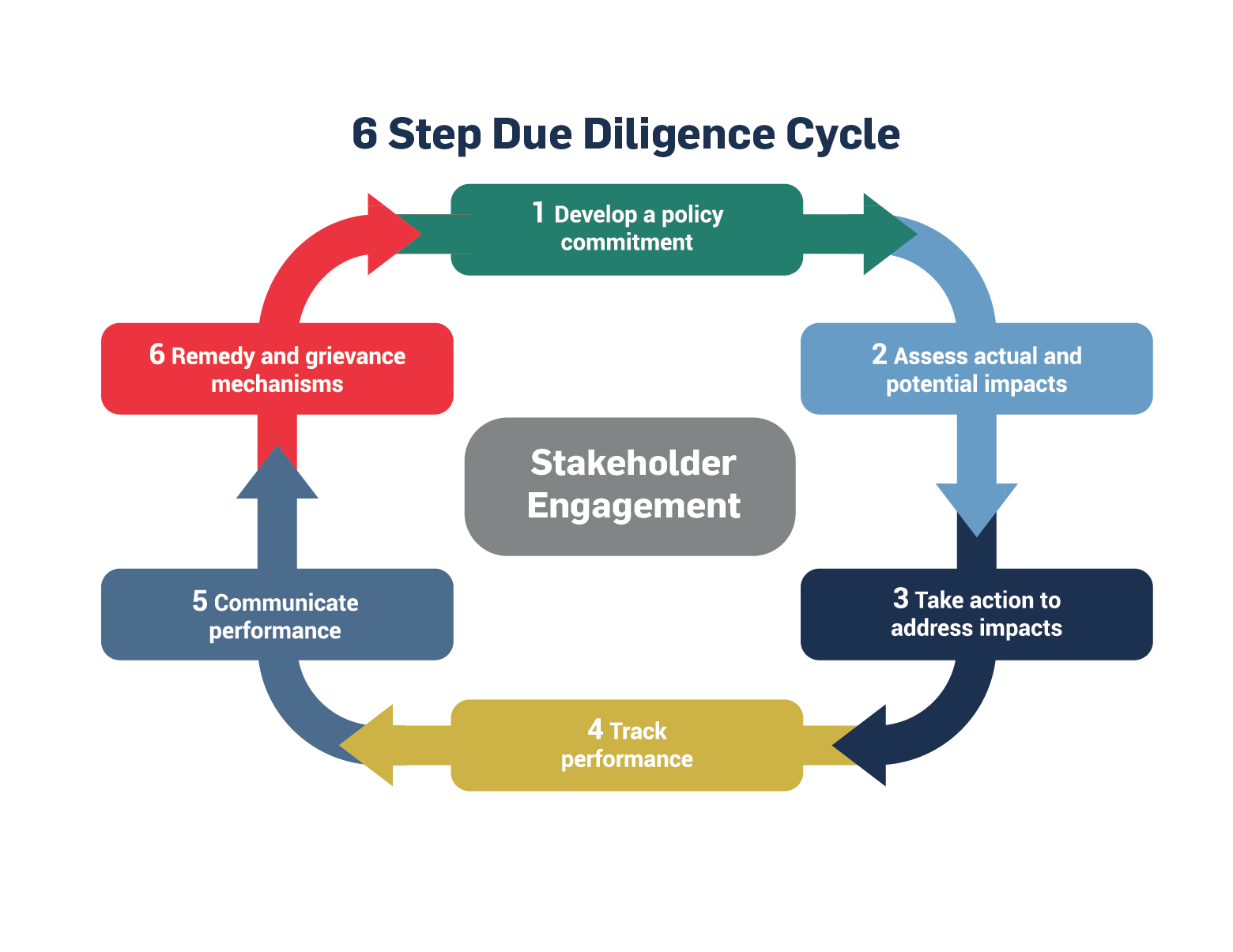
This section outlines due diligence steps that companies can take to respect migrant workers’ rights in their operations and supply chains. The described due diligence steps are aligned with the UN Guiding Principles on Business and Human Rights (UNGPs). Further information on UNGPs is provided in the ‘Key Human Rights Due Diligence Frameworks’ section below or in the Introduction.
While the below steps provide guidance on respecting migrant workers’ rights, in particular, it is generally more resource-efficient for companies to ‘streamline’ their human rights due diligence processes by also identifying and addressing other relevant human rights issues (e.g. child labour, forced labour, discrimination, freedom of association) at the same time.
Companies can seek specific guidance on this and other issues relating to international labour standards from the ILO Helpdesk for Business. This Helpdesk assists company managers and workers that want to align their policies and practices with principles of international labour standards and build good industrial relations.
Additionally, the SME Compass offers guidance on the overall human rights due diligence process by taking businesses through five key due diligence phases. The SME Compass has been developed in particular to address the needs of SMEs but is freely available and can be used by other companies as well. The tool, available in English and German, is a joint project by the German Government’s Helpdesk on Business & Human Rights and the Deutsche Gesellschaft für Internationale Zusammenarbeit (GIZ) GmbH.
1. Develop a Policy Commitment on Migrant Labour
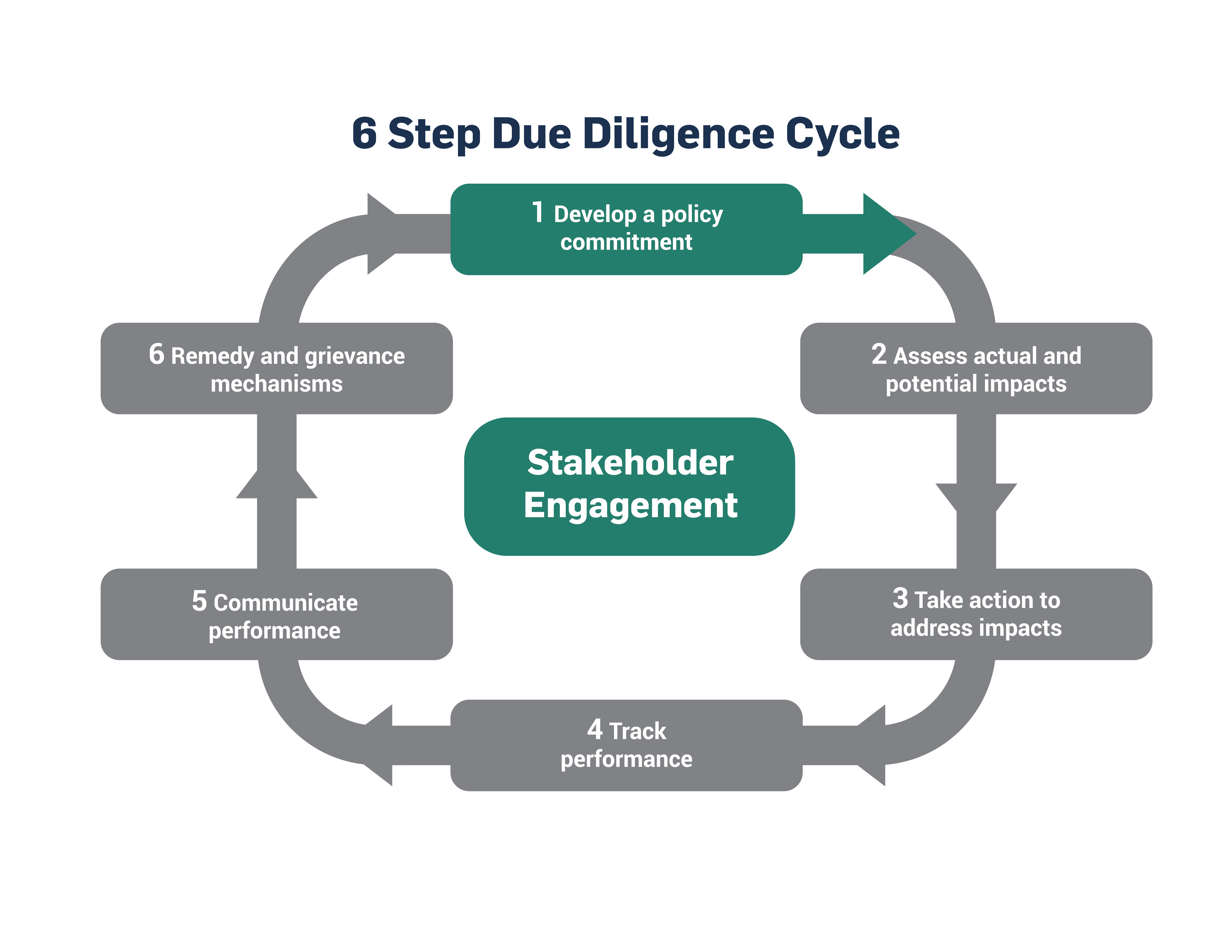
It is important for businesses to include migrant workers in their policies regarding human rights, regardless of the nature of work, location of supply chain or industry of operation, due to the international prevalence of migrant workers. The Dhaka Principles are a helpful tool that can be used by businesses to support migrant workers in all stages of due diligence. Along these lines, a company may consider adopting codes of conduct to ensure that they demand equal employment and non-exploitation practices with regard to migrant workers. Policies could include commitments such as:
- Comply with national law relating to migrant workers at a minimum and aspire to adherence with international standards and best practice;
- Refrain from engaging in or supporting unequal treatment or exploitation of migrant workers in hiring, termination, remuneration, training, promotion or retirement;
- Avoid restrictions on migrant workers including the withholding of passports and other travel documents; and
- Enshrine clear guidelines with regard to recruitment practices (including those of suppliers and business partners where possible) that contain specific recommendations on recruitment fees and contracts.
Some companies publish stand-alone migrant workers policies, given migrant workers’ vulnerability to labour rights abuses in their industries — for example, UK fashion house Burberry, Swedish retailer H&M and tech company Hewlett-Packard. However, it is more common for businesses to integrate migrant labour into their human rights, responsible sourcing or diversity policies, with Unilever offering an example. Where companies do not have a stand-alone human rights policy, migrant labour is often addressed in other documentation, such as a business code of conduct or ethics and/or a supplier code of conduct.
Businesses may also consider aligning their policies with relevant industry-wide or cross-industry policy commitments, for example:
- Responsible Business Alliance (RBA) Code of Conduct
- amfori BSCI Code of Conduct
- Fair Labor Association (FLA) Code of Conduct
- World Employment Confederation (WEC) Fair Recruitment and Migration Policies
2. Assess Actual and Potential Migrant Labour Impacts
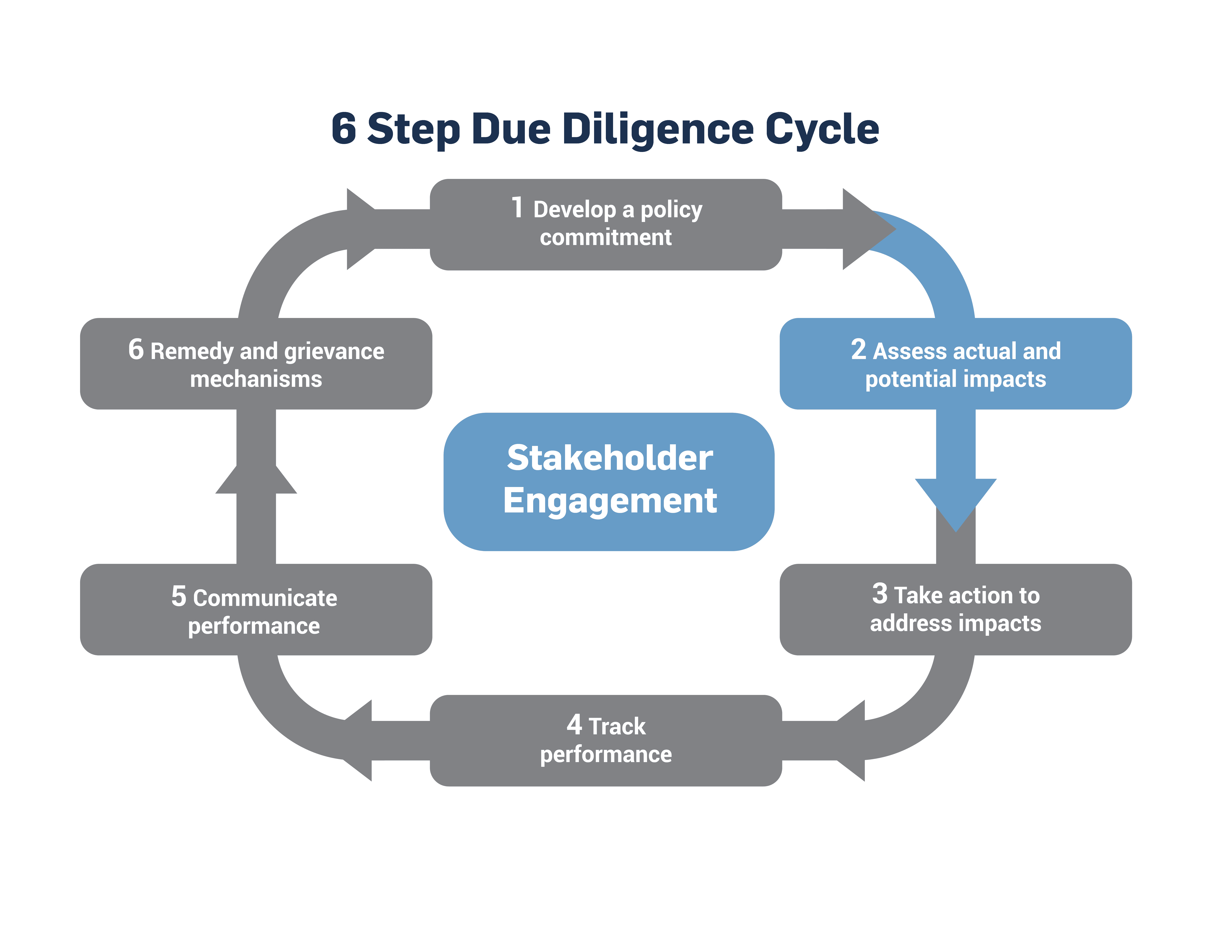
Upon identification of operations or segments of supply chains that rely heavily on migrant labour, companies should consider assessing actual and potential migrant labour impacts. Impact assessments should consider the following:
- Migrant workers are particularly vulnerable to abuse as their right to live or work in a country may be tied to a job with their employer (for instance a sponsorship system) or they may be working illegally and not want to risk losing their job and being exposed to authorities.
- Assessments should consider conducting off-site interviews as workers may not be comfortable talking about harmful work experiences on-site.
- There is also an increasing trend of assessing risks of labour rights violations through ‘worker voice’ tools, such as technology-enabled worker surveys. These can be easily adapted to different languages to accommodate migrant workers’ needs.
Migrant labour impact assessments are usually undertaken as part of broader human rights risk assessments. The requirement to engage with potentially affected stakeholders is key. Nike offers an example of a company conducting a risk assessment focused specifically on recruitment practices of migrant workers through Verité’s CUMULUS Forced Labor ScreenTM tool.
3. Integrate and Take Action to Address Migrant Labour Impacts
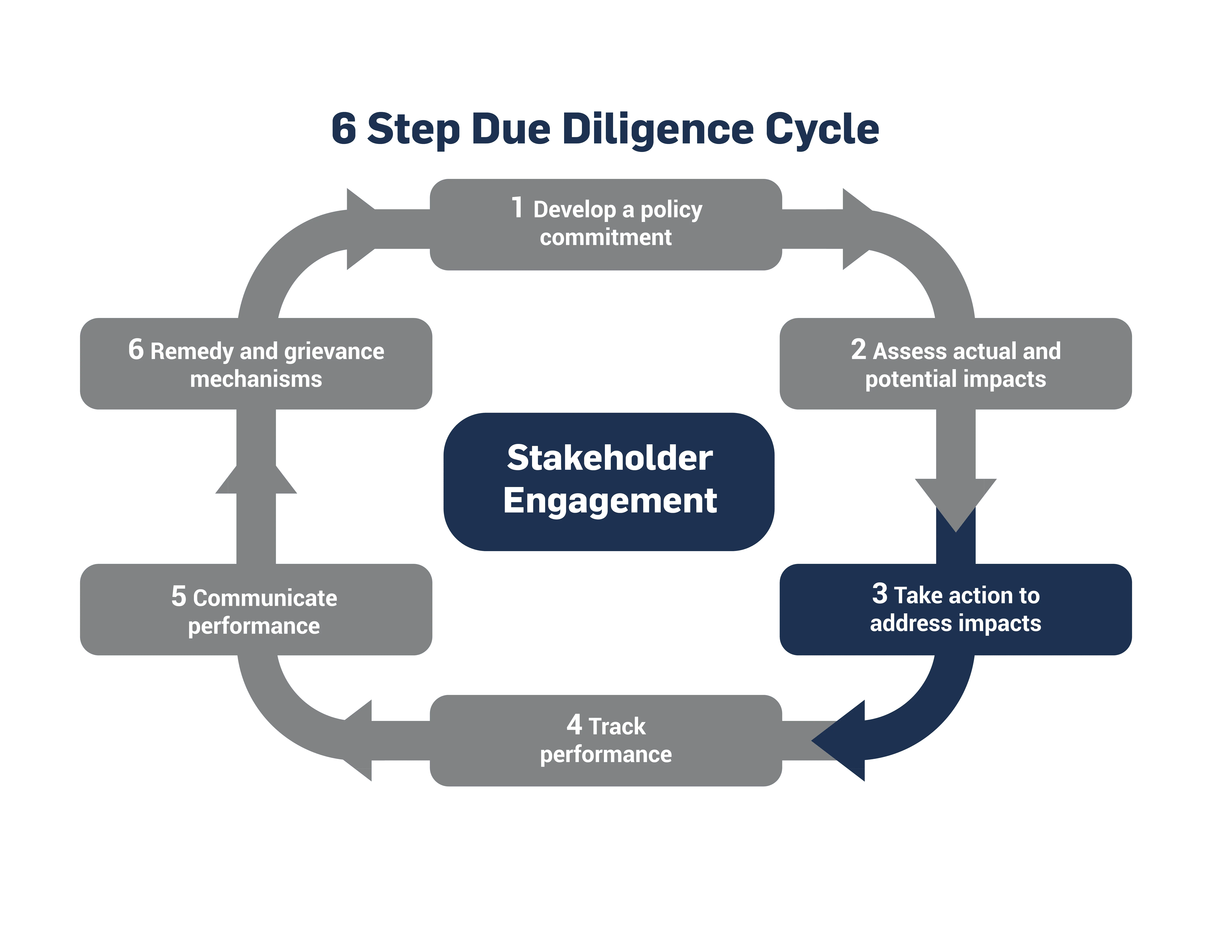
The actions and systems that a company will need to apply will vary depending on the outcomes of its impact assessment. For example, companies could consider conducting training on migrant workers’ rights for employees most likely to encounter migrant workers, such as procurement, human resources and supply chain personnel. Training sessions on migrant labour can also be offered to suppliers. Training might include reference to the relevant international standards and reporting lines, and could be updated in-line with new innovations and adjustments to best practices.
Companies might also consider adapting existing worker training programmes to accommodate migrant workers more easily. This might include, for example, the offer of local language courses to improve communication and enhance productivity and worker safety. Additional training and orientation programmes could also be provided to migrant workers to ensure that they have access to equal opportunities in the workplace and to support their assimilation into the local community.
A company may opt to recruit migrant workers directly rather than through the use of brokers. Any brokers used should be reviewed carefully to ensure that they comply fully with all laws for protecting migrant workers by way of carrying out due diligence (see IOM resources on ethical recruitment). A company may also choose to publish and communicate guidance on its expectations regarding the recruitment and employment of migrant workers, including by business partners and suppliers. In situations where the risk of exploitation may be higher in supply chains, a company may wish to incentivize suppliers to improve their recruitment practices. This can be done, for example, by providing preferential terms to suppliers who recruit directly.
Multi-stakeholder initiatives (MSIs) can provide the necessary expertise, guidance and economies of scale to address migrant labour problems in a responsible, sector-specific way. Such MSIs can also help companies learn from different stakeholder groups including business, Government, civil society and intergovernmental and non-governmental organizations. An example is the partnership between the International Organisation for Migration (IOM) and H&M in 2019, which promotes cooperation in relation to the ethical recruitment of migrant workers in global textile supply chains. Other MSIs include those by the Fair Labor Association and the Roundtable on Sustainable Palm oil, both of which run campaigns on migrant labour.
4. Track Performance on Migrant Labour
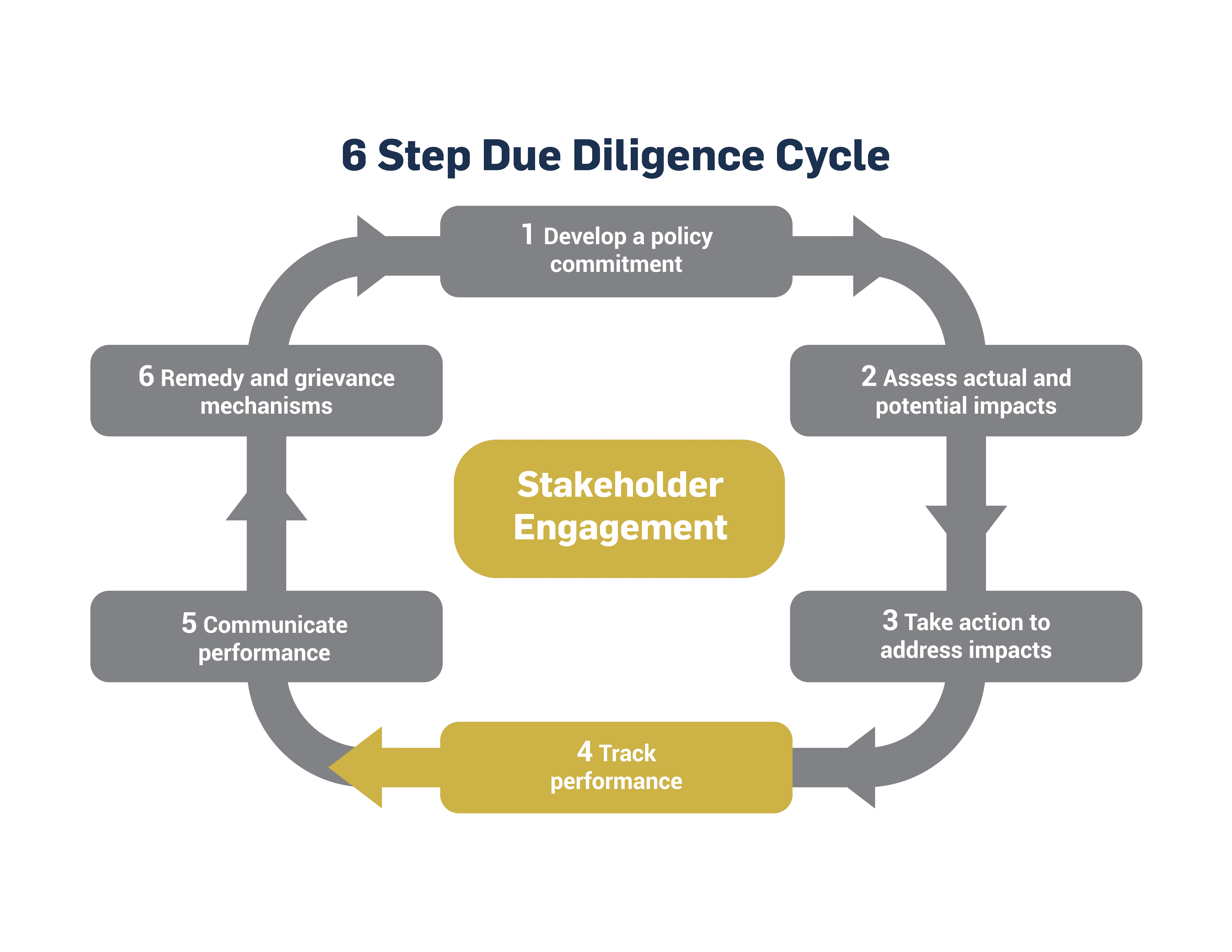
Businesses should regularly review their approach to migrant worker rights to see if it continues to be effective and is having the desired impact. Audits and social monitoring are common ways to check performance in the first tier of the supply chain. Such monitoring or audits can be undertaken internally by the company or by a third party contracted by the company. Operations and supply chains can be audited to understand the way migrant workers are treated and the rights they are afforded — such as their wages, working hours and living conditions — as well as whether they have access to their own documentation (such as passports) and whether they have been charged any recruitment fees. Common supplier audit frameworks that span most industries and include migrant labour indicators include SMETA audits and SA8000 accredited audits. The amfori BSCI Code of Conduct also provides guidance on how to mitigate negative social impacts on migrant workers.
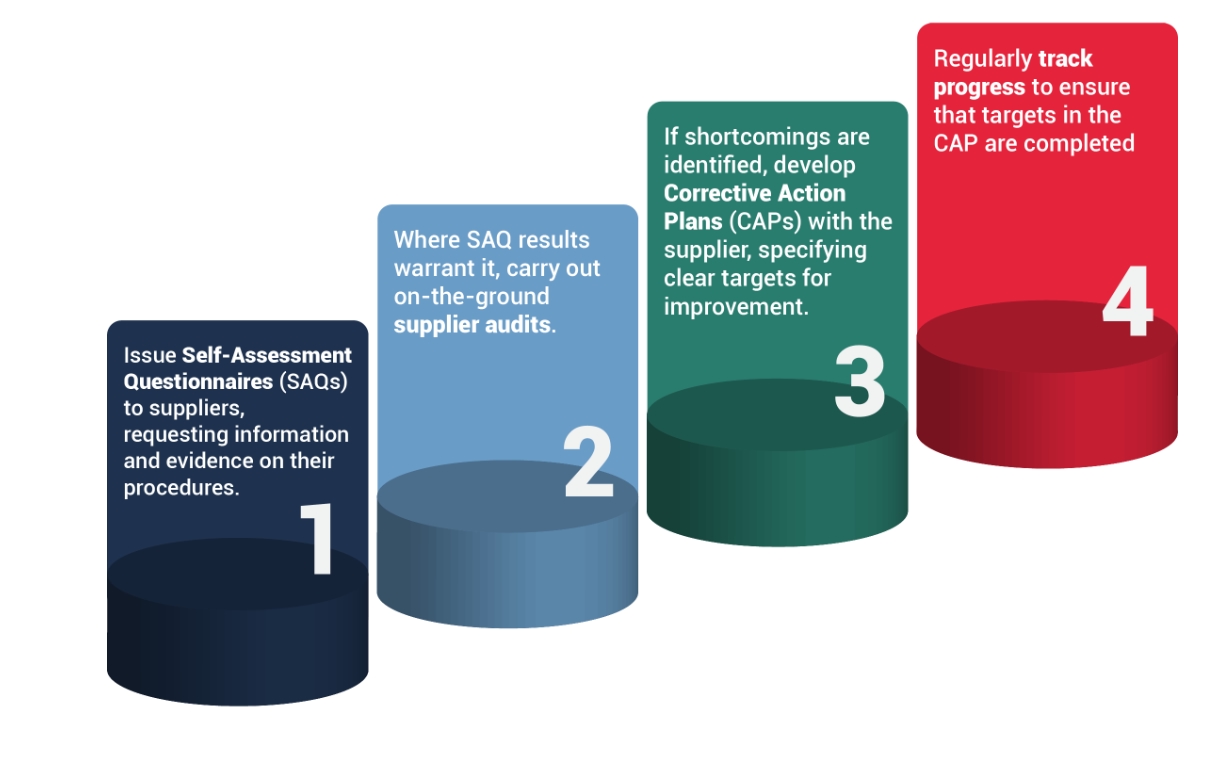
A common approach or first step taken by companies is to issue self-assessment questionnaires (SAQs) to suppliers, requesting information and evidence on their migrant labour procedures, such as whether suppliers have implemented monitoring measures to identify the groups most vulnerable to forced labour, whether recruitment agencies are used in the recruitment process, which agencies are used and how they ensure the respect of migrant workers’ rights. Repeated SAQs can give insight into improvements in supplier management systems and let suppliers self-report on actual or potential migrant worker rights issues. Where SAQ results warrant it, companies can carry out on-the-ground or remote suppliers audits.
Examples of questions to include in social audits or SAQs are as follows:
- Do migrant workers have the freedom to terminate employment (by means of notice of reasonable length) at any time without a penalty?
- Have migrant workers paid a recruitment fee, or do they owe money from their wages to a recruiter?
- Have important documents, such as a visa, right to work, or passports, been withheld from migrant workers by the employer?
If shortcomings are identified, corrective action plans (CAPs) should be developed jointly with the supplier, setting out clear targets and milestones for improvement. Progress should then be tracked regularly to ensure CAP completion. Setting SMART targets helps track performance. SMART targets are those that are: specific, measurable, attainable, resourced and time-bound. Examples of indicators to be recorded and monitored include:
- Grievances from migrant workers recorded (number and nature)
- Audit findings on violations of migrant workers’ rights
- Progress on corrective action plans
- Media reports on instances of abuse of migrant workers
- Official inspection outcomes
Due diligence processes should be regularly checked and continuously improved to ensure that the information collected for these targets is as accurate as possible. This includes checking the effectiveness of grievance mechanisms (i.e. their accessibility to migrant workers), the quality of audits, etc. Responsibility for data collection should be clearly allocated to relevant roles within the company and reported with a set frequency (for instance once a month).
Although both SAQs and audits are commonly used by companies in various industries, both tools have limitations in their ability to uncover hidden violations, including violations of migrant worker rights. Unannounced audits somewhat mitigate this problem but even these are not always effective at identifying violations given that an auditor tends to spend only limited time on-site. Furthermore, human rights violations, including migrant workers’ rights, often happen further down supply chains, whereas audits often only cover ‘Tier 1’ suppliers.
New tools such as technology-enabled worker surveys/‘worker voice’ tools allow real-time monitoring and partly remedy the problems of traditional audits. An increasing number of companies complement traditional audits with ‘worker voice’ surveys (e.g. Unilever and VF Corporation), which can be easily adapted to different languages to accommodate migrant workers’ needs and anonymized so workers don’t fear reprisal.
Some companies go further and adopt ‘beyond audit’ approaches, which are built on proactive collaboration with suppliers rather than on supplier monitoring (‘carrots’ rather than ‘sticks’). Collaborating with other stakeholders, including workers’ organizations, law enforcement authorities, labour inspectorates and non-governmental organizations to proactively identify, remediate and prevent abuse of migrant worker rights can also prove to be effective.
5. Communicate Performance on Migrant Labour
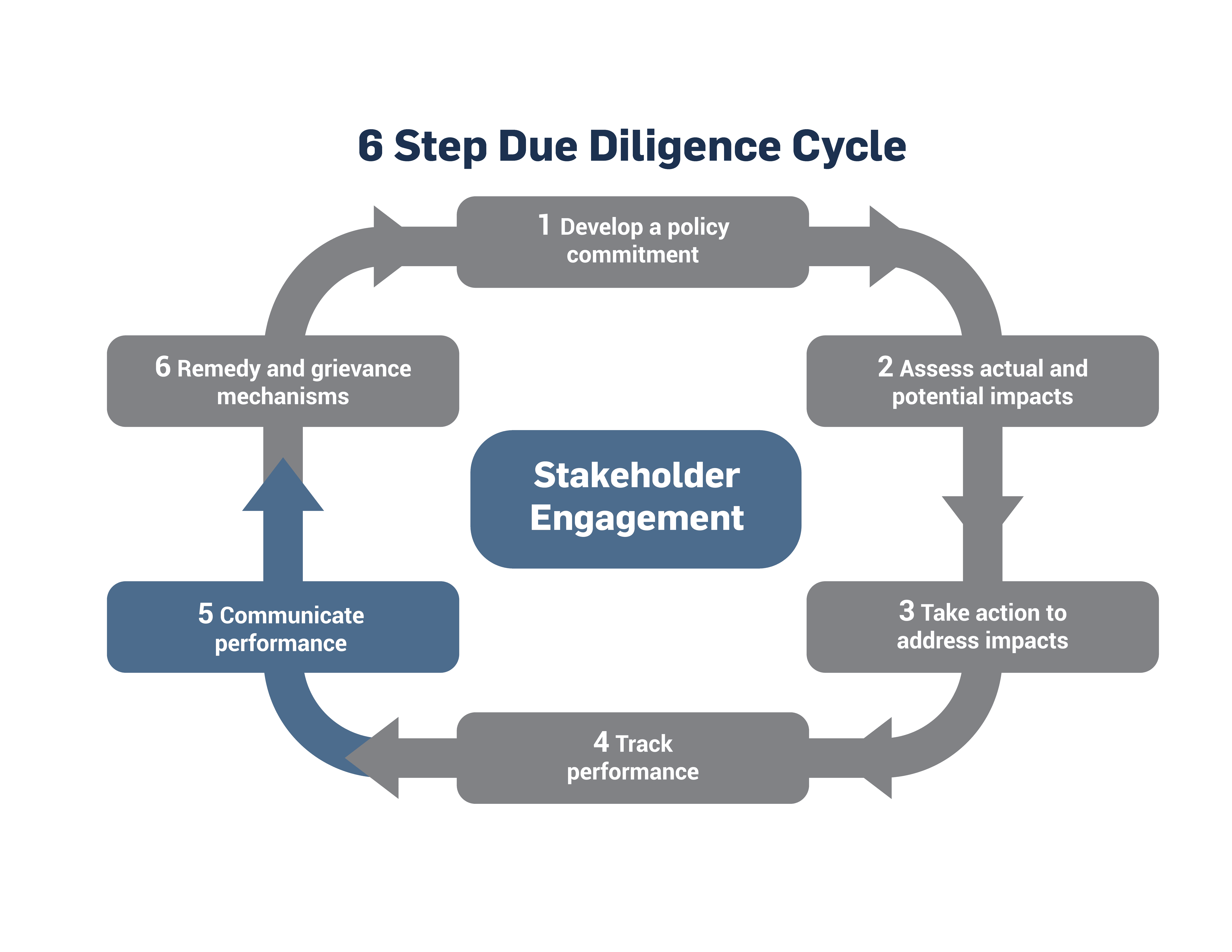
Companies are expected to communicate their performance on respecting migrant workers’ rights in a formal public report, which can take the form of a standalone report such as Nestlé’s Responsible Sourcing of Seafood reports. More commonly, however, an update on progress is included in a broader sustainability or human rights report such as Unilever’s Human Rights reports, or in an annual Communication on Progress (CoP) in implementing the Ten Principles of the UN Global Compact. Additionally, other forms of communication may include in-person meetings, online dialogues and consultation with affected stakeholders.
6. Remedy and Grievance Mechanisms
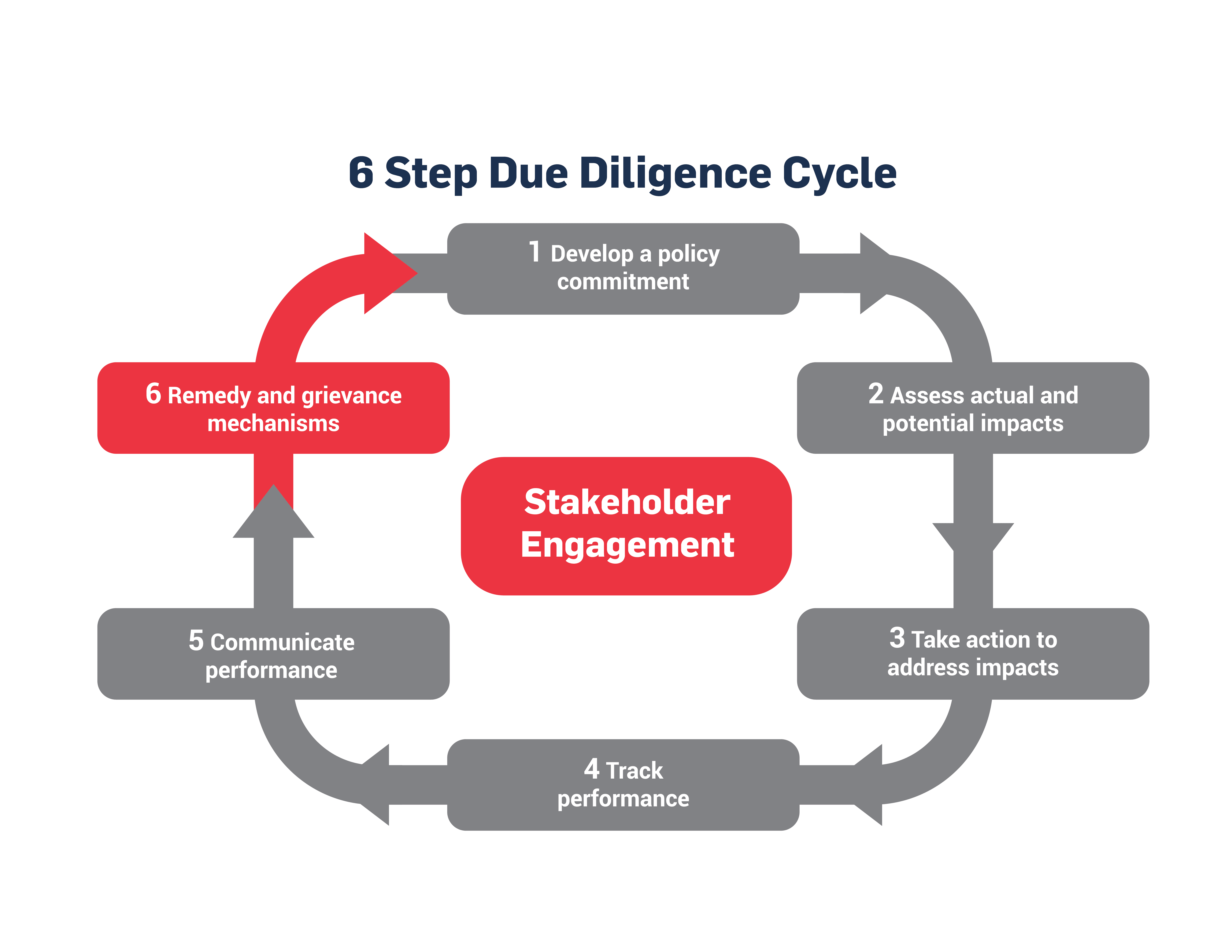
Grievance mechanisms can play an important role in helping address migrant labour issues in operations and supply chains (e.g. Hewlett-Packard). In addition to conventional channels such as those using a hotline, an emerging ‘worker voice’ technology allows workers to submit grievances in real-time through text messages and without fear of reprisal.
Remediation of migrant worker rights issues can be complex, as they may have implications on a worker’s right to reside in a particular country, so it is recommended that legal advice is sought. Ensuring that remediation approaches consider the safety and wellbeing of migrant workers is crucial, particularly if they appear to have been trafficked or are under the control of a gangmaster or another illegal group.
Companies could use the results of impact assessments to determine corrective actions, with the most severe impacts prioritized. Some companies may decide that — as a last resort — a failure to remediate or correct the situation should result in termination of the relationship with the offending supplier. Companies should try to resolve issues with the supplier first though, to prevent termination leading to worse positions for workers. Examples of companies with migrant labour remediation programmes include Nike.
Case Studies
This section includes examples of company actions to prevent abuse of migrant workers in their operations and supply chains.
Further Guidance
Examples of further guidance on migrant workers include:
- ILO, The Multilateral Framework on Labour Migration: Non-binding principles and guidelines for a rights-based approach to labour migration, which aim to assist Governments, social partners and stakeholders in their efforts to regulate labour migration and protect migrant workers.
- ILO, Fair Migration Agenda: The ILO campaign to ensure fair migration and labour conditions for migrants has a range of information, tools and publications.
- ILO, Global Study on Recruitment Fees and Related Costs: A global study that examines the laws and policies of 90 countries, as well as numerous bilateral labour agreements and multi-stakeholder initiatives to regulate or prohibit recruitment fees and costs charged to workers.
- ILO, General Principles and Operational Guidelines for Fair Recruitment and Definition of Recruitment Fees and Related Costs: These guidelines provide definitions and explanations of key terms related to recruitment fees.
- ILO, How to Facilitate the Recognition of Skills of Migrant Workers: This guide for employers and employment service providers gives information on identifying the needs and capabilities of migrant workers and how to accommodate them in the workplace, particularly in recruitment.
- ILO, Ending Child Labour, Forced Labour And Human Trafficking In Global Supply Chains: This report aims to help businesses develop policies and practices to protect global supply chains from certain human rights issues, including abuses against migrant workers.
- ILO-IOM, Promoting Fair and Ethical Recruitment in a Digital World: Lessons and Policy Options: This joint ILO-IOM report maps four examples of existing State-facilitated digital technology platforms that assist the recruitment, placement and/or job matching for migrant workers.
- ILO, For Women, by Women: Guidance and Activities for Building Women Migrant Workers’ Networks: This guidance outlines how migrant women’s groups can be catalyzed and supported.
- OHCHR and CMW, General Comments No. 1 – 5: The general comments offered by the CMW provide insight into the human rights violations migrant workers face, detailing expert opinion on specific themes and legal obligations of State parties to the instruments that define these rights. General Comment No. 5 specifically details migrants’ rights to liberty, freedom from arbitrary detention and their connection with other human rights, with a contextual focus on the impacts of the COVID-19 pandemic.
- IOM, Ending Child Labour, Forced Labour and Human Trafficking in Global Supply Chains: This guidance highlights the challenges faced by migrant workers and how business can work with Government to prevent migrant labour abuse.
- OHCHR, ‘We wanted workers, but human beings came’: Human rights and temporary labour migration programmes: This report looks at the consequences of temporary labour migration programmes (TLMPs) on migrant workers and their families, and offers recommendations on how to design and implement comprehensive labour migration pathways that offer human rights-based alternatives to TLMPs.
- Fair Labor Association, Triple Discrimination: Woman, Pregnant and Migrant, Preventing Pregnancy Discrimination among Temporary Migrant Workers, Lessons for Malaysia, Taiwan and Thailand: Guidance for employers to avoid multi-factored discrimination against migrant women in supply chains.
- SME Compass, Standards Compass: This online tool offers guidance on what to pay attention to when selecting sustainability standards or when participating in multi-stakeholder initiatives. It allows comparing standards and initiatives with respect to their contribution to human rights due diligence and their potential limitations.
- SME Compass, Due Diligence Compass: This online tool offers guidance on the overall human rights due diligence process by taking businesses through five key due diligence phases.
- SME Compass, Downloads: Practical guides and checklists are available for download on the SME compass website to embed due diligence processes, improve supply chain management and make mechanisms more effective.
- ILO Helpdesk for Business, Country Information Hub: This resource can be used to inform human rights due diligence, providing specific country information on different labour rights.
References
- International Convention on the Protection of the Rights of All Migrant Workers and Members of Their Families. Adopted by General Assembly resolution 45/158, 1990. Article 2 (1).
- By introducing the due diligence-based corporate responsibility to respect human rights, the UN Guiding Principles on Business and Human Rights (UNGPs) shift the focus from impacts on businesses to impacts on human rights. Further information on the UNGPs is included in section ‘Due Diligence Considerations’.